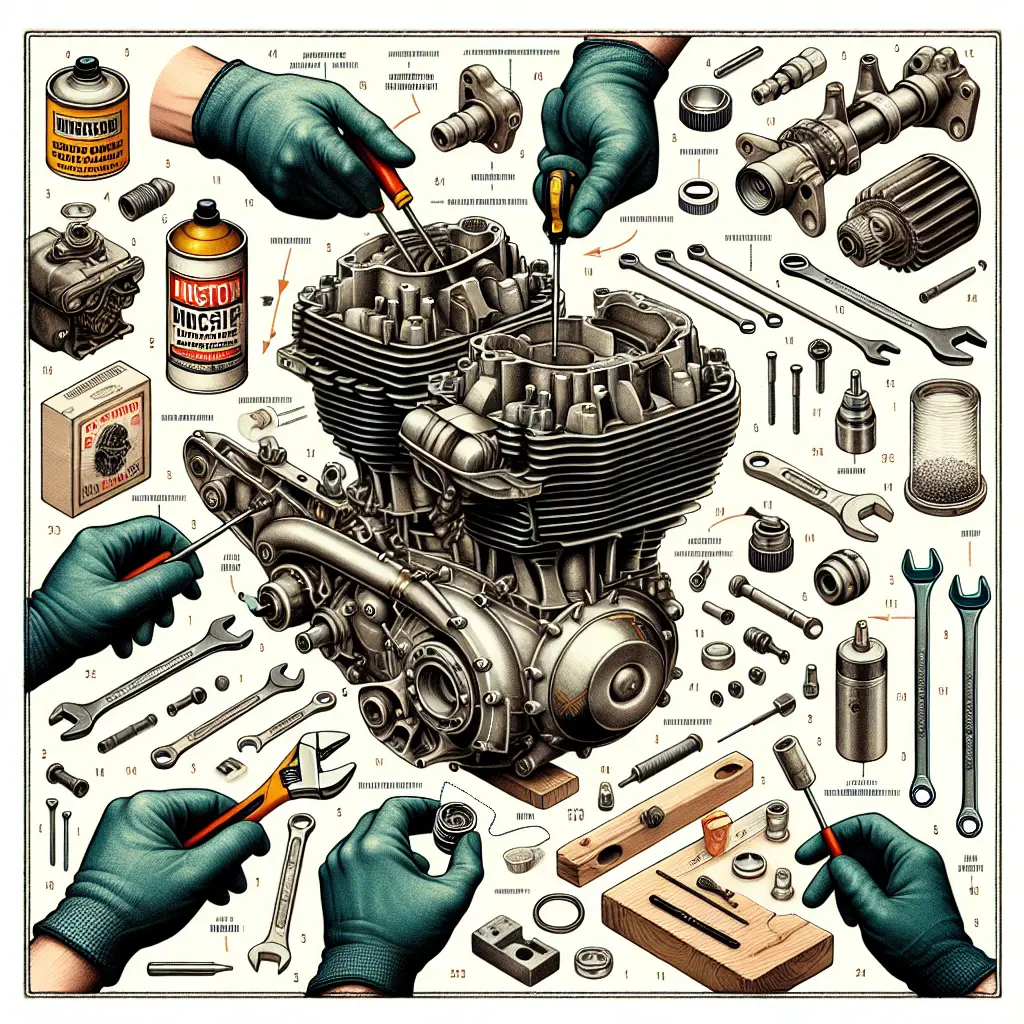
Reviving the Roar of a Bygone Era: Vintage Motorcycle Engine Restoration
Reviving the roar of a bygone era, vintage motorcycle engine restoration offers an exhilarating journey into the heart of classic machinery. For enthusiasts and professionals alike, restoring vintage motorcycle engines is more than just a hobby; it's a passion that breathes new life into timeless treasures. This step-by-step motorcycle engine restoration guide serves as your comprehensive roadmap, unveiling the intricate process of how to restore motorcycle engines with precision and care.
Understanding the Basics of Vintage Motorcycle Engine Restoration
Restoring vintage motorcycle engines requires a fundamental understanding of both the technical and historical aspects of the machinery. Unlike modern motorcycles, vintage engines often feature unique designs and materials that demand specialized knowledge and tools.
Why Restore Vintage Motorcycle Engines?
The allure of vintage motorcycle engine restoration lies not only in the nostalgia it evokes but also in the satisfaction of breathing new life into a mechanical relic. In recent news, the high value placed on classic automobiles at auctions reflects a growing appreciation for vintage machinery. For instance, during a weekend in 2023, 15 cars were auctioned off for more than $3 million each, showcasing the enduring allure and financial potential of well-preserved classic vehicles (Bloomberg). This trend underscores the significance of maintaining historical authenticity in vintage motorcycle engine restoration.
Step-by-Step Motorcycle Engine Restoration Process
Embarking on a DIY motorcycle engine restoration project can seem daunting, but breaking down the process into manageable steps can simplify the journey. Let's explore the essential phases of classic motorcycle engine restoration.
1. Research and Planning
Before you begin dismantling your vintage engine, research is crucial. Understanding the history and specifications of your specific model will guide your restoration process. For example, antique motorcycle engine restoration for an Indian Chief will differ from a Harley-Davidson Knucklehead due to variations in design and technology.
- Identify Model and Year: Verify the model and year of your motorcycle to source accurate parts and manuals.
- Gather Resources: Collect workshop manuals, join online forums, and consult experts specializing in vintage bike engine restoration.
2. Dismantling the Engine
Carefully dismantling the engine is a critical step in understanding its condition and identifying any components that require repair or replacement.
- Document Everything: Take photos and notes during dismantling to ensure accurate reassembly.
- Inspect Components: Examine each part for wear, corrosion, or damage, focusing on areas prone to deterioration such as gaskets and seals.
3. Cleaning and Assessment
Once disassembled, thoroughly clean all engine components to remove grime, oil, and rust.
- Ultrasonic Cleaning: Use ultrasonic cleaners for intricate parts like carburetors to ensure thorough cleansing.
- Evaluate Parts: Assess each component's condition to decide whether it needs repair or replacement.
4. Vintage Motorcycle Engine Repair
This phase involves repairing or replacing damaged components, often requiring specialized skills and tools.
- Sourcing Parts: Utilize reputable suppliers or consider custom fabrication if necessary parts are unavailable.
- Rebuilding Techniques: Apply techniques like honing cylinders and lapping valves to restore performance.
5. Reassembly with Precision
Reassembling your vintage engine is an opportunity to apply both technical expertise and an appreciation for mechanical artistry.
- Follow Manuals Closely: Adhere to manufacturer specifications during reassembly to maintain authenticity.
- Attention to Detail: Ensure all fasteners are torqued to specifications and that components are aligned correctly.
Challenges in Restoring Old Motorcycle Engines
Restoring old motorcycle engines presents unique challenges that require patience and innovation. Consider how Cuban ingenuity has kept vintage American cars running for decades as an inspiration for overcoming restoration obstacles (BBC).
Common Challenges
- Part Availability: Finding original parts can be difficult; aftermarket or fabricated parts may be necessary.
- Technical Expertise: Some repairs require advanced skills or access to specialized tools.
- Balancing Authenticity and Performance: Deciding whether to prioritize original aesthetics or enhance performance can be challenging.
Vintage Motorcycle Maintenance Tips
To preserve your restored engine, regular maintenance is essential. Here are some tips to keep your classic bike running smoothly:
- Regular Oil Changes: Use high-quality oils appropriate for vintage engines.
- Check Electrical Systems: Regularly inspect wiring and connections for wear.
- Tire Care: Maintain correct tire pressure and check for signs of wear.
Embracing the Joy of Classic Bike Engine Repair
Restoring vintage motorcycle engines is not merely a technical pursuit but also an opportunity to connect with history and engineering excellence. As demonstrated by the thriving market for classic cars and bikes, there's a profound appreciation for these mechanical marvels among enthusiasts worldwide.
Whether you're preserving the authenticity of an antique machine or enhancing its performance, embracing each challenge with curiosity and dedication will lead to a rewarding restoration experience. By following this step-by-step motorcycle engine restoration guide, you're equipped with the knowledge to transform dormant relics into vibrant testaments of engineering prowess.
Conclusion: Reviving the Art of Vintage Motorcycle Engines
Restoring vintage motorcycle engines is a captivating journey that melds technical expertise, historical insight, and mechanical artistry. Here's a recap of the crucial steps involved in this rewarding process:
Key Points to Remember
Research and Planning:
- Identify the specific model and year of your motorcycle.
- Gather necessary resources like manuals and expert advice.
Dismantling the Engine:
- Document every step with photos and notes.
- Inspect each component for wear or damage.
Cleaning and Assessment:
- Use ultrasonic cleaning for intricate parts.
- Evaluate components for repair or replacement.
Repair and Rebuild:
- Source parts from reputable suppliers or fabricate if needed.
- Utilize techniques like honing cylinders to restore performance.
Reassembly:
- Follow manufacturer specifications closely.
- Ensure precision in alignment and fastening.
Embracing Challenges
- Part Availability: Be prepared to innovate when original parts are scarce.
- Balancing Authenticity vs. Performance: Decide on maintaining historical aesthetics or enhancing performance.
Maintenance Tips
- Regular oil changes and electrical system checks.
- Proper tire maintenance to ensure smooth rides.
In embracing the joy of restoring vintage motorcycle engines, you not only preserve a piece of history but also engage with an enduring legacy of engineering excellence. This process, enriched by patience and innovation, offers a deep connection to the past while celebrating timeless mechanical artistry.
As you complete your restoration project, consider how your efforts contribute to the appreciation of classic vehicles worldwide. Whether you opt to prioritize authenticity or performance enhancements, each decision shapes the narrative of your motorcycle's storied past.
I invite you to share your experiences and insights on this fascinating journey. Your stories and reflections can inspire others to embark on their own restoration adventures. Feel free to comment below with your thoughts, questions, or tips that have aided you in reviving these mechanical marvels.
Happy restoring!
Trevor Winslow